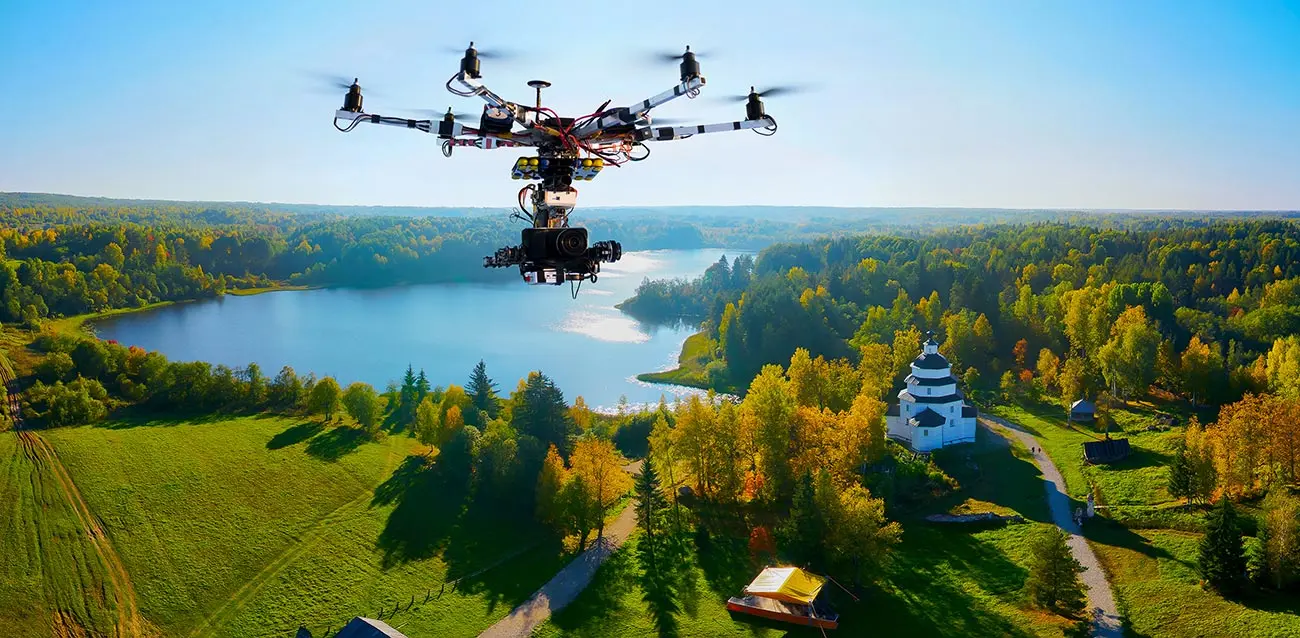
SPECIFICATIONS
1. Overview
A. Core Objectives
Cinematic Film & TV Production: -
Real Estate & Commercial Marketing:
Creative Stills:
B. Design & Engineering Priorities
Low-Vibration Airframes:
Omnidirectional Obstacle Sensing & LiDAR:
Advanced Transmission: Low-latency digital video downlinks (such as O4+ systems) to stream crisp 1080p/60fps feeds back to the operator over kilometers.
2. Technical Specifications
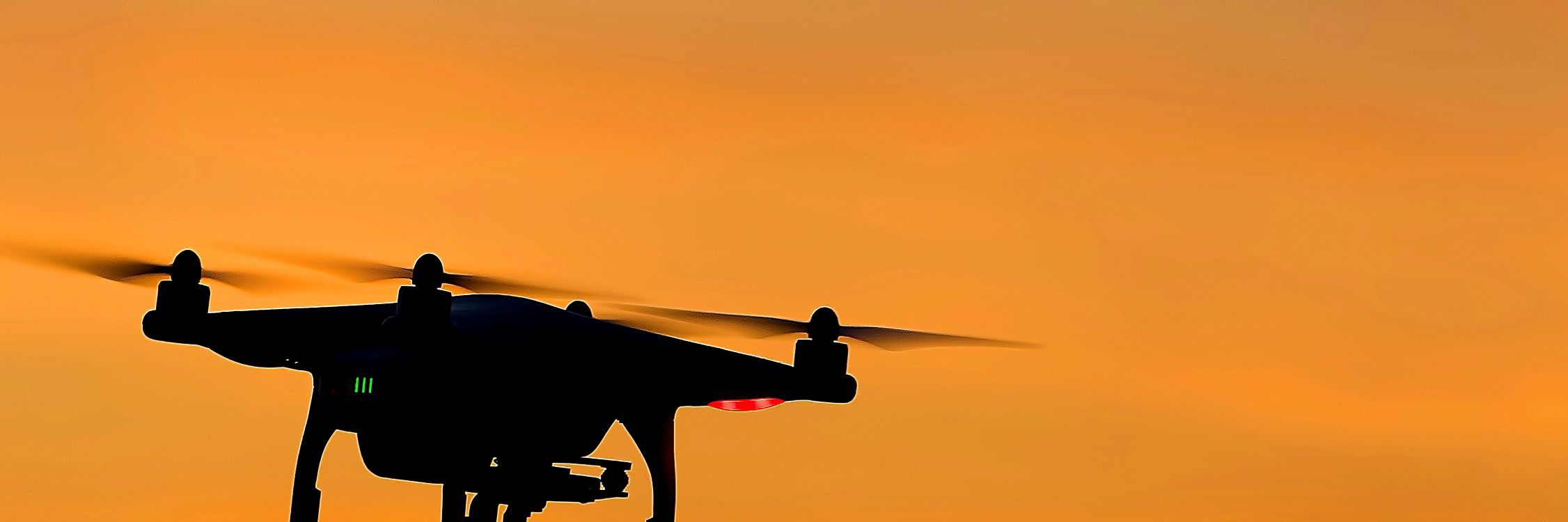
The following specifications represent an industry-leading, professional-grade folding photography and cinema drone framework (such as the flagship DJI Mavic 4 Pro / Inspire class):
| Specification Parameter | Professional Photography Drone (Typical Value) |
| Airframe Configuration | Folding Quadcopter (Compact, highly portable) |
| Takeoff Weight (MTOW) | ~1,063 grams (Registration and Remote ID compliant tier) |
| Battery Type / Capacity | High-density Lithium-ion smart battery (~4,500 to 5,000 mAh range) |
| Flight Endurance | 45 to 51 minutes per battery charge |
| Max Horizontal Speed | 19 to 25 meters per second (approx. 42 to 55 mph) |
| Wind Resistance | Up to 12 meters per second |
| Stabilization Gimbal | 3-axis mechanical gimbal with true vertical shooting and upward tilt capability (up to 70°) |
3. Camera & Sensor Options
Unlike mapping drones that use fixed nadir cameras or agricultural drones that carry liquid tanks, photography drones feature integrated or modular multi-camera optical systems built for rich color profiles (10-bit D-Log, HLG) and high dynamic range.
A. Large-Format Main Sensor (Wide-Angle)
Description: The primary imaging powerhouse, often featuring a large Micro Four Thirds (4/3) or 1-inch CMOS sensor with a mechanical or electronic global shutter.
Key Specs: 50MP to 100MP photo resolution, variable physical aperture (f/2 to f/11), and capability for 4K/120fps or 6K/60fps video recording.
Application: Stunning landscape photography, low-light evening shoots, and high-detail commercial stills.
B. Telephoto / Medium-Telephoto Secondary Lenses
Description: Auxiliary zoom lenses integrated into a multi-camera array (e.g., 70mm and 168mm equivalents).
Key Specs: Mid-sized sensors (such as 1/1.3-inch CMOS) paired with optical zoom architectures.
Application: Compressing perspective, cinematic parallax movements around subjects, and capturing distant details without physical proximity.